


care and maintain
Wooden furniture
Daily care should be carried out using a clean, soft cloth wrung out in lukewarm water. Always remember to wipe dry with a clean, dry cloth to remove any remaining moisture. Avoid using any kind of cleaning agents, chemicals, or scouring sponges on the furniture, as these will damage the surface.
Clean your oiled wooden surfaces with a cloth that is clean and dry, or firmly wrung out in water with mild soap. Always wipe in the direction of the wood grain.
Please note that variations in color and structure may occur in products made from natural materials such as wood. Solid wood can vary in appearance, and differences in pattern, color, and texture may occur.
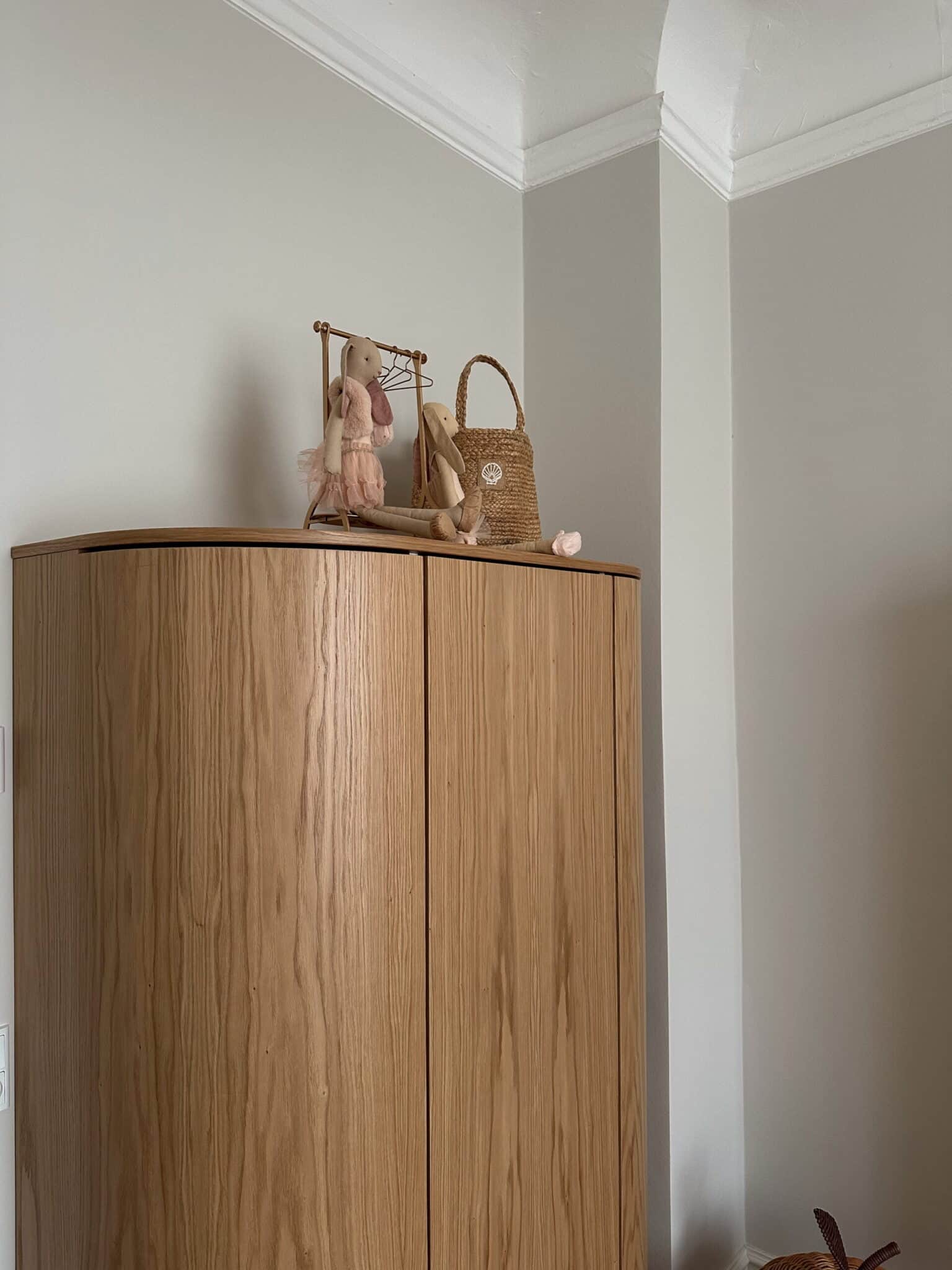

Retighten your furniture
Wood is affected by temperature changes and humidity. Therefore, it is important to retighten your furniture at regular intervals to maintain the safety and durability of your child’s furniture.
mattresses
Our mattresses are made of cold foam and are reversible.
The mattress is covered with a quilted cotton velour cover made from 100% organic cotton. The cover is breathable and has a soft surface that helps regulate the child’s body temperature. It features a YKK zipper, making it easy to remove, for example when washing. The cover can be washed at 60°C.
Please note that the mattress is delivered rolled up, and it may take up to 48 hours for the mattress to regain its correct shape and size after unpacking.
For optimal bed hygiene and to remove house dust mites, dead skin cells, and other dirt, we recommend beating or vacuuming the mattress and airing it regularly.

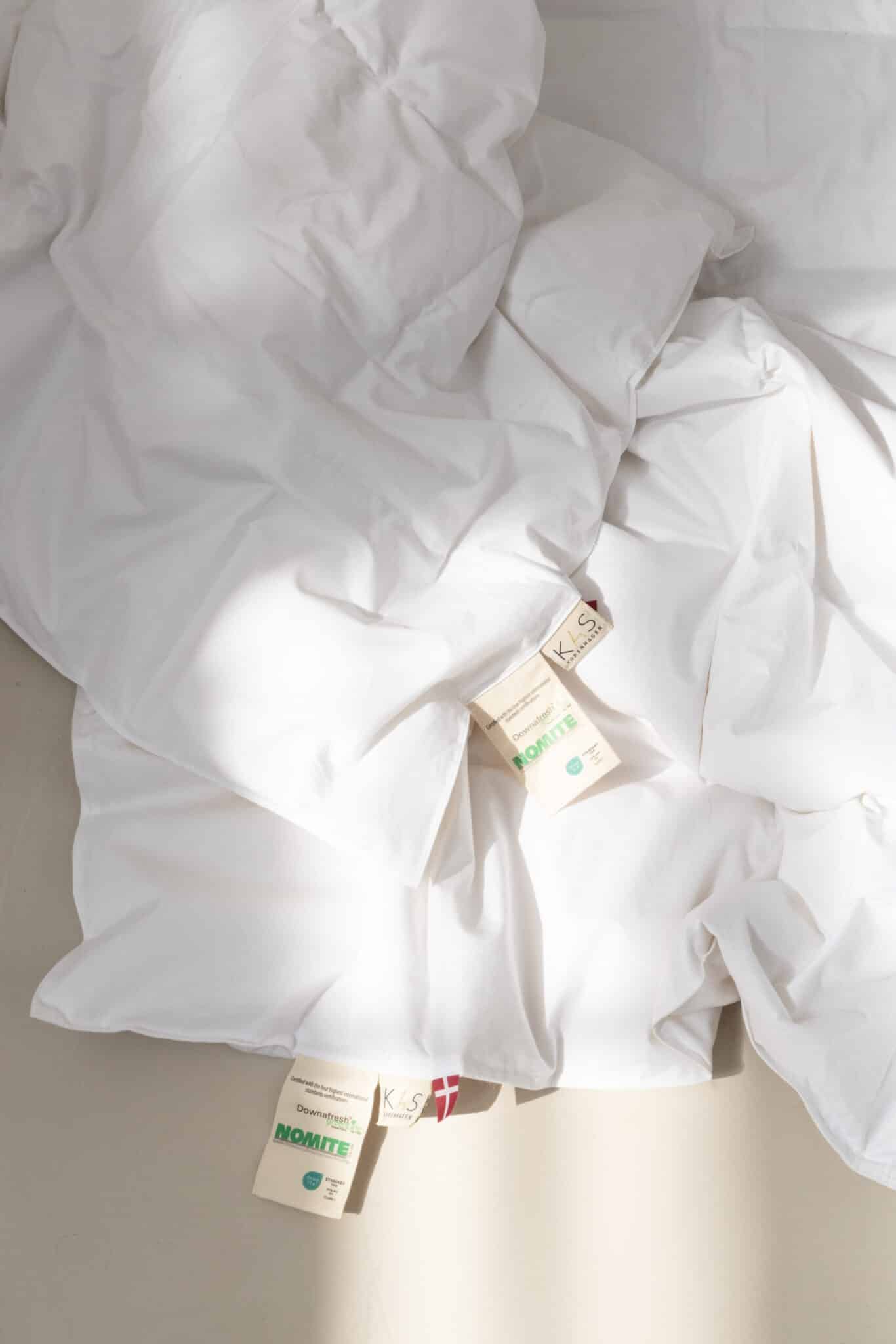
Daily care of duvets and pillows
To maintain the fullness and elasticity of the filling, we recommend shaking duvets and pillows daily. Avoid beating or vacuuming them, as this may damage the filling and reduce quality over time.
Washing – how to preserve comfort and durability
Regular washing helps extend the lifespan of both duvets and pillows. Over time, down and feathers may clump together, which can make the duvet less airy and reduce its insulating ability.
To preserve the duvet’s loft, we recommend washing it at least once a year—preferably twice, but no more than four times a year, as excessive washing can wear down the materials. Pillows should be washed approximately twice a year.
Duvets and pillows should always be washed at 60°C, as this temperature effectively removes dust mites and other microorganisms such as mold.
How to wash duvets and pillows correctly
Please note that washing and drying a duvet can take up to 6–8 hours, so be sure to allow sufficient time. Always follow the washing instructions on the product.
- Check seams and covers before washing and make sure there are no holes.
- Wash the duvet and pillow separately or in a spacious washing machine.
- Use an enzyme-free detergent suitable for natural fillings. Standard detergents often contain enzymes that can remove the natural oils from down and feathers, reducing their insulating properties. Wool detergent is often a good choice.
- Wash at 60°C and finish with a gentle spin cycle.
Drying – important for the final result
Dry the duvet or pillow in a tumble dryer together with two to three dryer balls. These help distribute the filling evenly and prevent clumping.
Remove the duvet and shake it approximately every 15–20 minutes during drying to maintain fullness and avoid heat spots. Make sure the duvet is completely dry before use, as residual moisture can lead to mold and mildew.
If you choose to let the duvet dry partially outdoors, place it in the shade, as direct sunlight can weaken the fabric over time.
Once the duvet is fully dry, it can be beneficial to air it outdoors or give it a short cycle in the tumble dryer with cold air to ensure the filling is evenly distributed.
A good tip to check whether the duvet is completely dry is to weigh it before washing and again after drying. If it weighs more than before, it still contains moisture and should be dried further.
changing mat
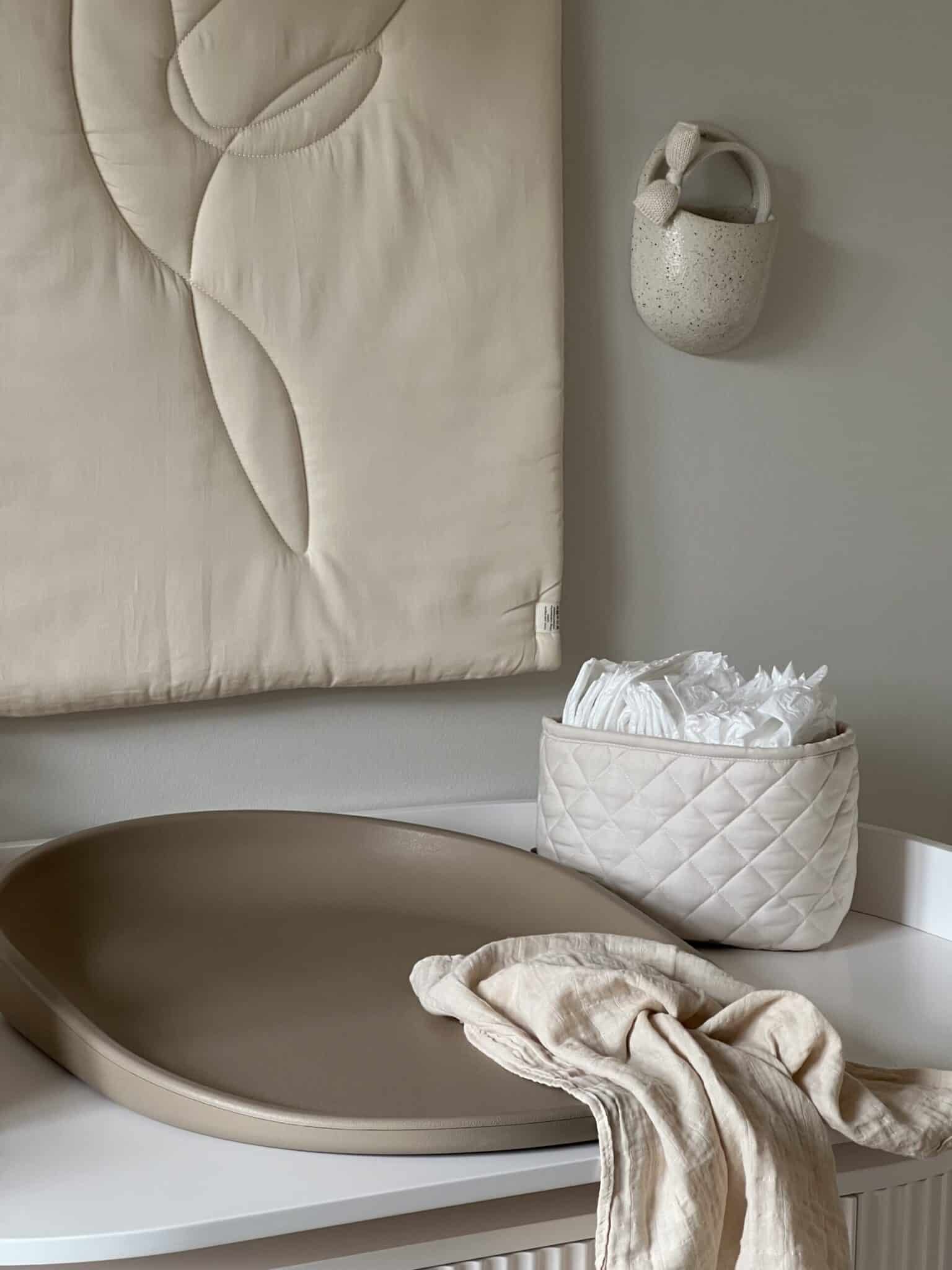
The changing mat is made with a durable, water-repellent surface that prevents liquids and dirt from penetrating the material, making it easy to keep clean in everyday use.
The surface can be wiped with a damp cloth and mild soapy water. If necessary, an antibacterial surface spray with up to 70% alcohol may also be used.
Avoid harsh cleaning agents, abrasive sponges, and higher alcohol concentrations, as these can damage the surface and shorten the product’s lifespan.
carpets
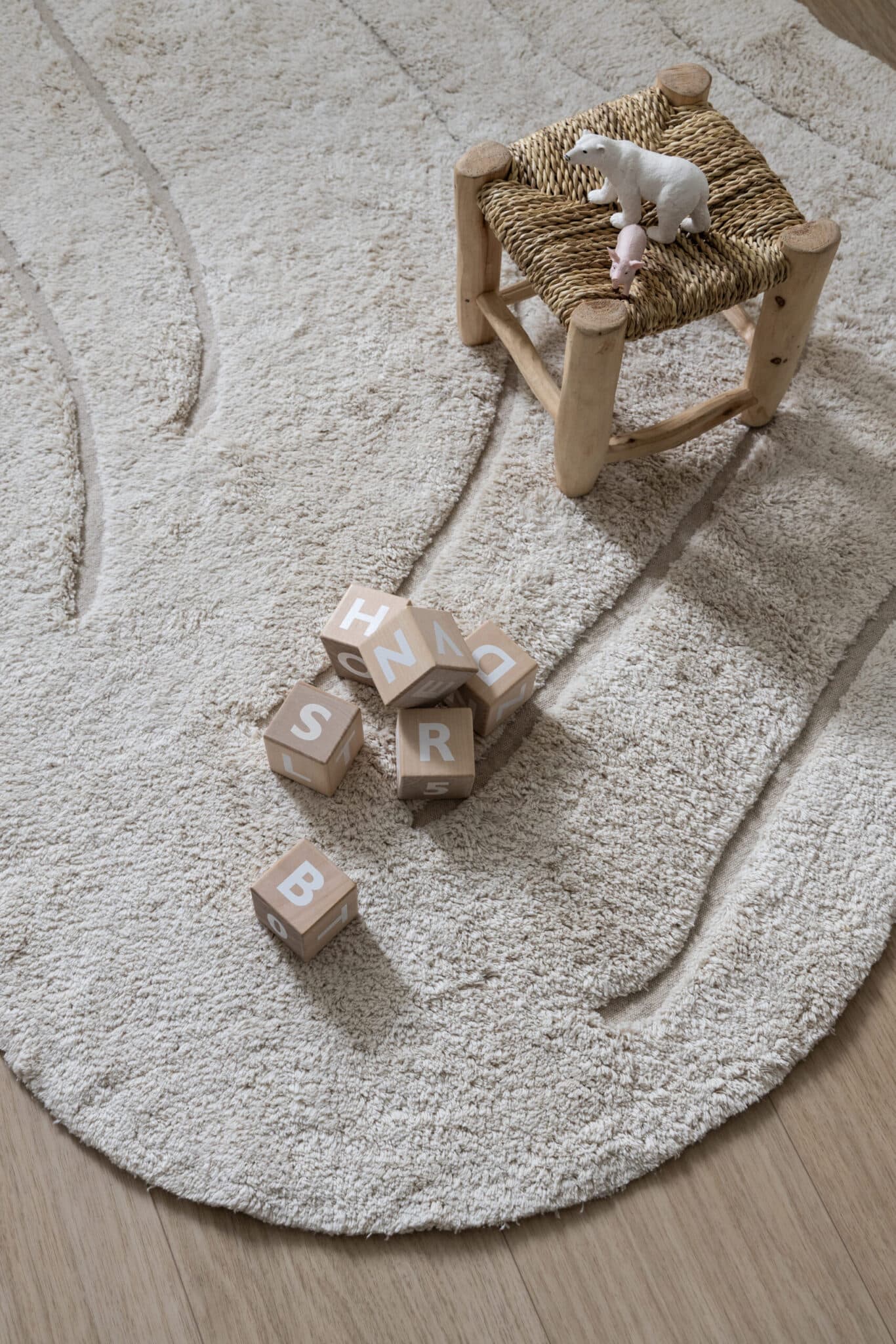
Our rugs are handmade from natural cotton and produced using 100% environmentally friendly dyes that comply with current European requirements and standards. As cotton is a living natural material, slight shedding may occur during the initial period. This is completely normal and is caused by excess fibers from the manufacturing process. The shedding will gradually decrease and eventually stop.
The rugs can be machine washed at a maximum of 30°C, making them especially practical for everyday use—also in homes with allergies or in case of spills. We recommend washing only when needed, using a gentle cycle, without fabric softener or bleach, and always washing separately. Tumble drying at a low temperature is recommended, as it effectively helps remove excess fibers and contributes to maintaining the rug’s beautiful appearance.
As the rugs are handmade, small variations in structure, shape, and color may occur. This is a natural part of the craftsmanship and helps give each rug its unique character.
daily care
We do not recommend using a robot vacuum cleaner on the rug. Also avoid prolonged exposure to direct sunlight, as this may affect the colors. If a loose or long thread appears, carefully trim it with scissors—never pull the thread.